
Build A Racetrack Track Pieces Deep Dive
Master turns, loops, and jumps so every cash lap stays finishable.
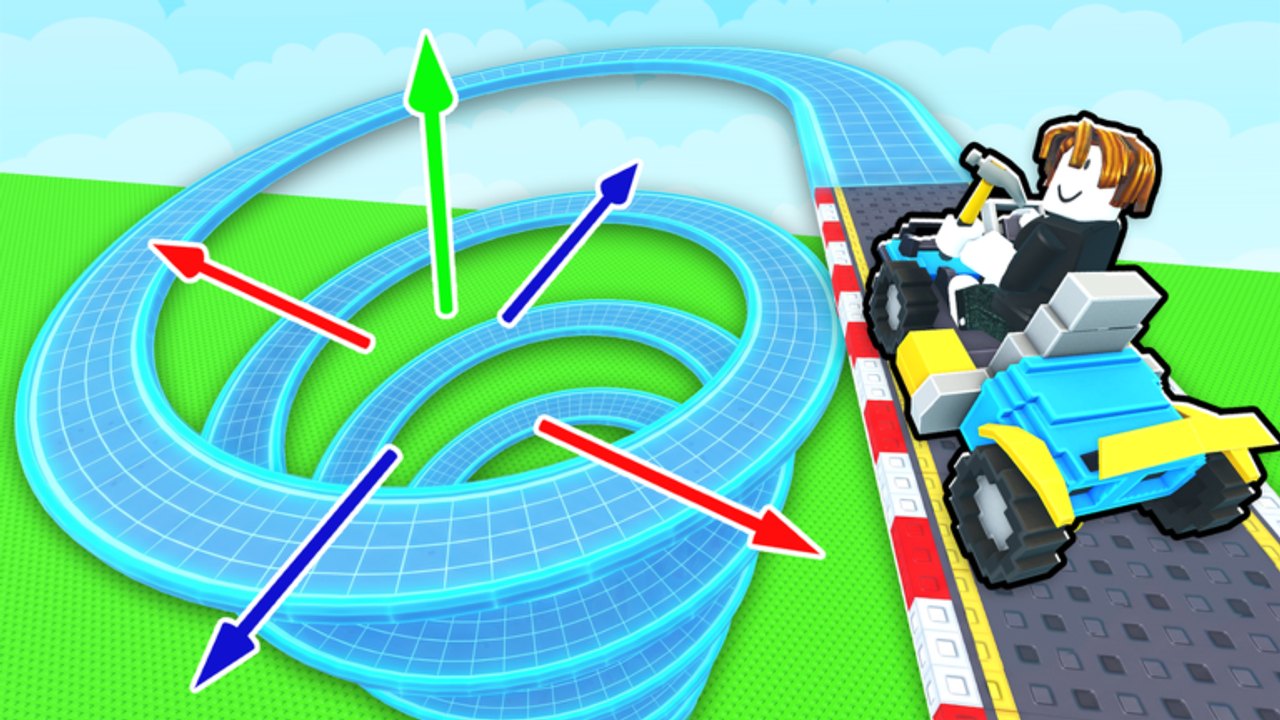
Track pieces are the vocabulary of Build A Racetrack. Fun² Games sells parts that become straights, turns, loops, and jumps — the building blocks named in the official description. Understanding what each family does (and what it costs you in cash and failure risk) matters more than memorizing every SKU name if the shop rotates.
Build process: How to Build a Track. Beginner path: Getting Started. Money context: How to Earn Money.
Piece families
Straights (connectors)
Straights create breathing room: acceleration before stunts, recovery after landings, and simple length. Early budgets should overweight straights and gentle turns until a circuit exists.
Use for: approach speed, calming sections, modular extensions.
Avoid: endless straight with no plan to close the loop.
Turns
Turns steer the course. They are how you close ovals and create rhythm. Tight turns punish low-tier cars; stack them only after you confirm exit speed.
Use for: closing circuits, redirecting into stunts, keeping footprints compact on your plot.
Failure modes: hairpins that dead-stop starters; blind snaps into walls; banking that looks cool but ejects cars.
Loops
Loops rotate the car through a full vertical travel and spit it out the other side. They demand entry speed and a clean exit lane. A loop without approach is a coin flip.
Use for: mid-track spectacle once income is online; teaching visitors your track is “alive.”
Failure modes: mid-loop stall, exit into void, chaining loops with no recovery straight.
Jumps
Jumps launch off a ramp toward a landing deck. Height and gap must match the car you actually drive — remember upgrades change distance (Upgrade Cars).
Use for: memorable moments, slight airtime variety, screenshots.
Failure modes: undershoot into gap, overshoot past landing, landing on a sharp turn with zero control time.
Placement rules that prevent rebuilds
- One new stunt per edit — test before the next purchase.
- Approach before ambition — lengthen the straight feeding a loop/jump.
- Landing before launch — place and align the deck, then tune the ramp.
- Exit before entry cosmetics — make sure the car has somewhere safe to go.
- Retest after car buys — physics envelope changed.
Budgeting pieces with limited cash
Early cash (including RELEASE’s 5,000) should prioritize completeness:
| Priority | Piece types | Reason |
|---|---|---|
| P0 | Straights + turns to close loop | Enables all income |
| P1 | Extra recovery straights | Stabilizes future stunts |
| P2 | Single jump or loop | Fun + mild length |
| P3 | Extra stunts / flair | Only with healthy car tier |
Spending tool: Cash Checklist. Car competition for the same wallet: Cars Tier List.
Designing for visitors (6-player reality)
Other players will race your track cold. Readable piece language helps:
- Obvious main line
- No hidden mandatory precision gaps on starter physics
- Recoverable shoulders where possible
- Avoid puzzle labyrinths that only you memorized
More session context: Players. If visitors bounce instantly, your completion rate — and reputation inside the server — drops.
Debugging by symptom
| Symptom | Likely piece issue | Fix |
|---|---|---|
| Car stops mid-turn | Turn too tight / uphill | Widen or add straight before |
| Falls from loop | Low entry speed or bad exit | Longer approach; clear exit |
| Misses jump | Gap/height mismatch | Shorten gap or lower ramp; retest with current car |
| Random wall hits | Misaligned connectors | Nudge pieces; re-drive slowly |
| Fine for you, fails for others | Local knowledge line | Simplify; widen cues |
Piece strategy across progression phases
Starter: oval grammar only.
Mid: one signature stunt plus recovery.
Late: sequenced features with rhythm straights; still keep a safe income core for offline (How to Earn Money).
Updates and rotating shops
If Fun² Games adds piece variants or retunes costs, re-read tooltips and rerun tests (Updates, Patch Notes). Family roles stay stable even when SKUs change.
Quality checklist
- Closed with turns/straights
- Each loop has approach + exit
- Each jump has matched landing
- Two-lap proof in current car
- Peer-friendly readability
- Cash reserved for fixes (Tools)
Pieces are how you speak to drivers. Say “finishable” first, “awesome” second — then your turns, loops, and jumps fund the next car instead of the next rage rebuild.
Frequently Asked Questions
Quick answers to the most common Build A Racetrack questions.
What track pieces should I buy first?
Straights and turns that close a small circuit. Add loops and jumps only after you can finish laps consistently.
Why does my loop keep failing?
Most loops need a longer approach for entry speed and a clear exit. Add recovery straights and retest after car upgrades.
How do jumps relate to car upgrades?
Faster cars jump farther. Retune gap and landing whenever you buy a higher-tier vehicle.
Should every track have loops and jumps?
No. They are optional spectacle. A clean oval can earn excellently while you save for cars.
Where do I learn full layout process?
Read the How to Build a Track guide for step-by-step design and testing habits.